
In our latest video, John Parker from LifeStyle Aviation breaks down what we call the legacy trainer trap: the growing pressure flight schools face when trying to operate traditional training aircraft in today’s cost environment.
What is the legacy trainer trap?
The legacy trainer trap is what happens when a flight school depends on older aircraft that are becoming more expensive to buy, maintain, fuel, and keep in service.
The aircraft may still be capable. The brand may still be familiar. The training mission may still be valid.
But the economics are changing.
A flight school can only raise rental rates so much before students begin to slow down, shop around, or reconsider training altogether. At the same time, operators cannot ignore rising costs. If fuel, maintenance, parts, and overhaul expenses keep climbing, the margin has to come from somewhere.
That leaves many schools stuck between two bad options:
Charge students more and risk slowing demand.
Or absorb the cost and hurt profitability.
That is the trap.
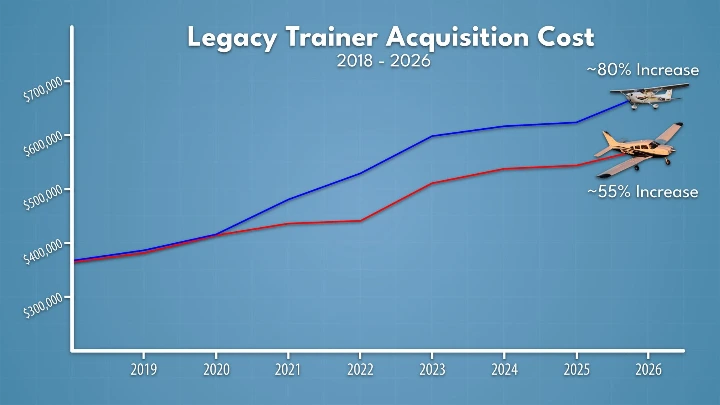
The three biggest pressures on flight schools
Flight training organizations are being squeezed from several directions at once.
1. Engine overhaul costs are rising
For a high-utilization flight school, this is not a rare expense. It is part of the operating model. When overhaul costs rise, every hour flown becomes more expensive.
2. Parts delays are keeping aircraft grounded
For a school with students on the schedule, instructors ready to fly, and demand to meet, downtime becomes expensive quickly. It can disrupt training timelines, frustrate students, and force operators to stretch aircraft utilization in ways that are not ideal.
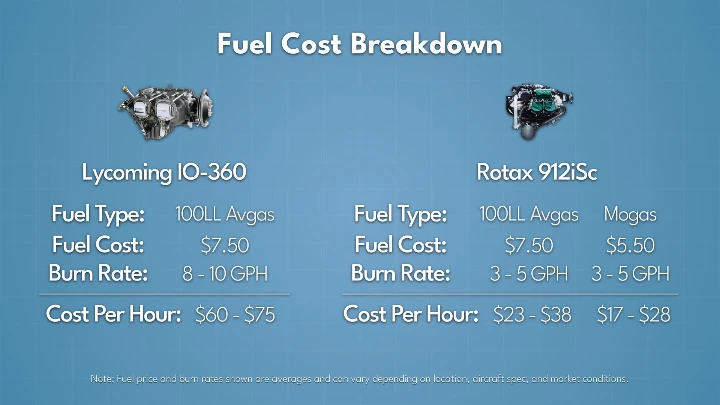
3. Fuel burn is becoming harder to ignore
A few gallons per hour may not sound dramatic on one flight. But across hundreds or thousands of training hours, it can change the entire business case.
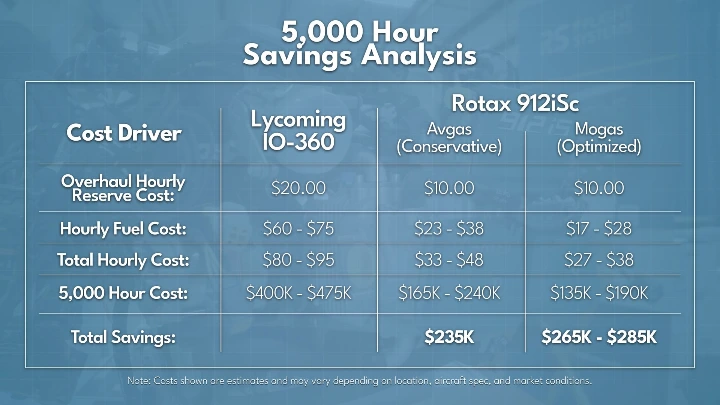
The problem is not just old airplanes. It is an old operating model.
That is why more flight schools are beginning to look at modern aircraft built around a different kind of cost structure.
The Rotax Revolution
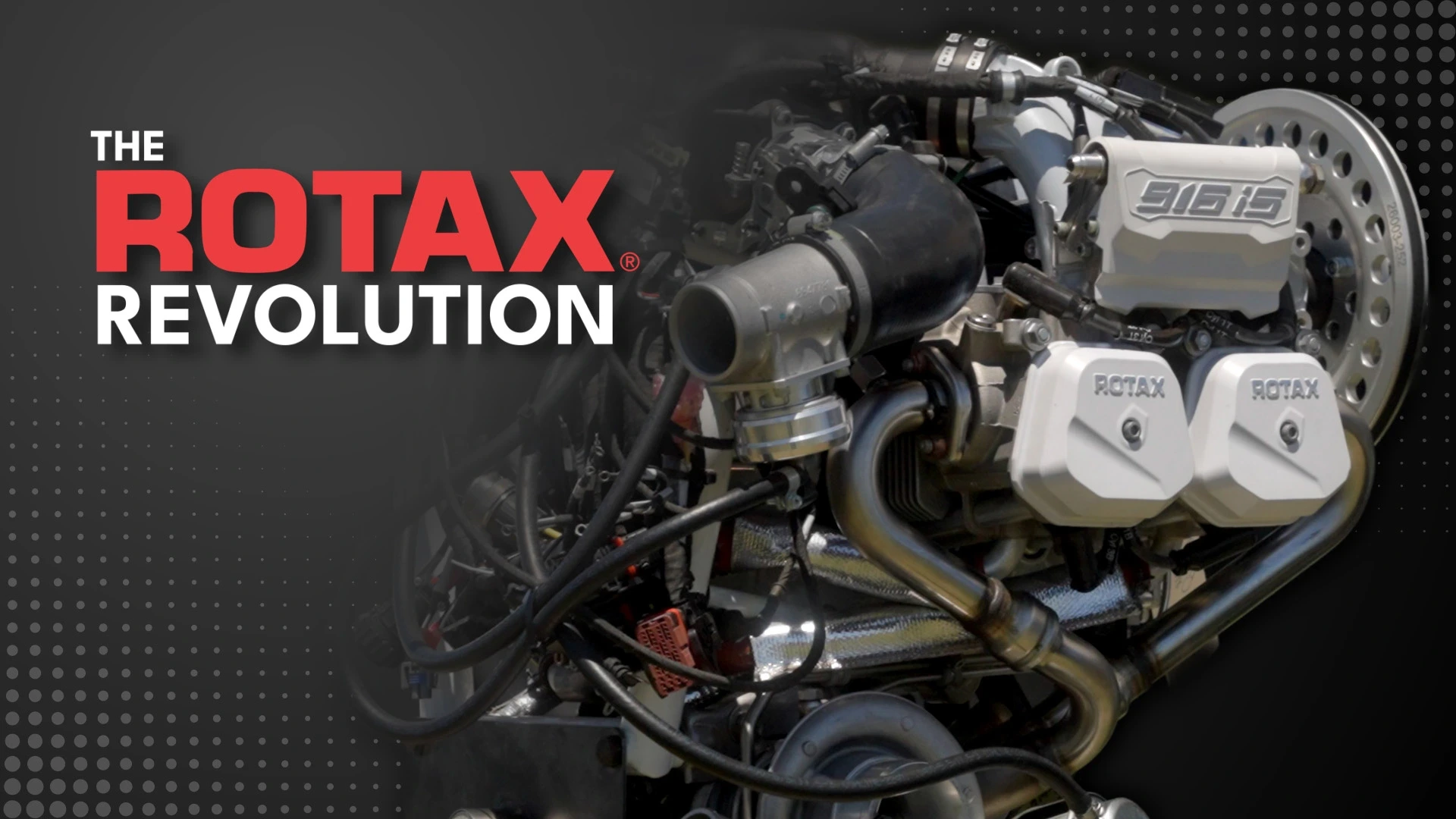
And when all of those things improve together, the aircraft becomes more than a training platform. It becomes a better business tool.
Why economy of scale matters
It is an operational advantage.
Fuel savings change the math
What does this aircraft cost to keep flying?
Tecnam aircraft built for modern flight training
Two of the strongest examples are the Tecnam P-Mentor and the Tecnam P2006T.
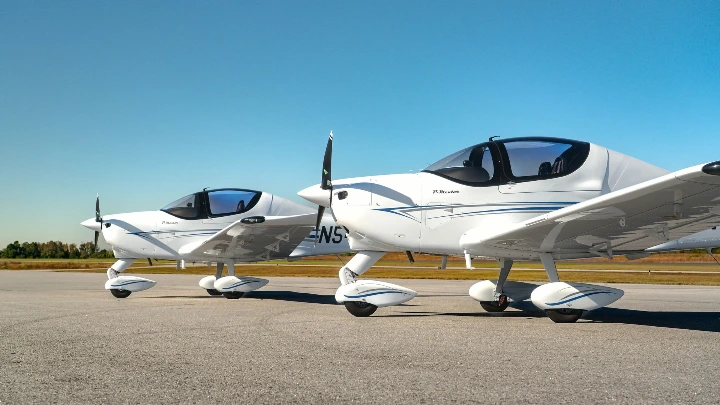
Tecnam P-Mentor
The Tecnam P-Mentor is a modern two-seat trainer built around the Rotax 912iSc engine. Tecnam describes the P-Mentor as an IFR trainer with extremely low fuel consumption and reduced emissions compared with other IFR training aircraft.
For flight schools, the P-Mentor offers a modern platform for primary training, instrument training, and commercial training. It gives students access to efficient operations, advanced avionics, and a cockpit environment that better reflects the technology they will see later in their aviation careers.
Instead of training in an aircraft that feels disconnected from the future of aviation, students can build time in a platform designed for modern instruction.
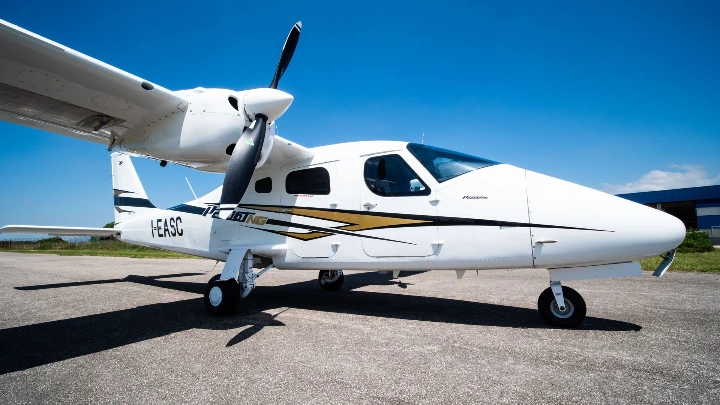
Tecnam P2006T
The Tecnam P2006T brings the same operating philosophy to multi-engine training.
Tecnam describes the P2006T as a twin-engine, four-seat aircraft powered by two 100-horsepower Rotax 912 engines with a 2,000-hour TBO. Tecnam also positions it as a multi-engine training aircraft that can deliver complex training at operating costs comparable to a single-engine aircraft.
That is a major advantage for schools that need to offer multi-engine training without taking on the operating cost profile of older twin trainers.
For students, it means access to modern multi-engine training.
For operators, it means a more manageable cost structure.
Modern avionics for the next generation of pilots
The operating cost story is important, but it is not the only reason modern training aircraft matter.
Students today are entering an aviation world filled with advanced avionics, digital systems, automation, and increasingly sophisticated flight decks.
Training aircraft should help prepare them for that world.
Tecnam aircraft like the P-Mentor and P2006T offer modern Garmin avionics, giving students and instructors a cockpit experience that better connects to the aircraft they may fly later in their careers.
That creates a better training bridge.
Students learn the fundamentals of flying while also becoming comfortable with the systems, displays, and workflows that define modern aviation.
A more sustainable path for flight schools
The old model forced many flight schools to accept high fuel burn, expensive overhauls, unpredictable downtime, and aging airframes as part of doing business.
But that no longer has to be the only path forward.
Rotax-powered Tecnam aircraft give flight schools a way to build a more sustainable fleet around lower operating costs, modern avionics, reduced fuel burn, and improved aircraft availability.
For operators, that can mean:
- Better aircraft uptime
- Lower fuel costs
- More predictable maintenance planning
- A stronger student experience
- More scalable fleet growth
- More room to protect margins without pricing students out
This is the real promise of the Rotax Revolution.
It is not just a new engine.
It is a new way to think about flight training economics.
Is your flight school caught in the legacy trainer trap?
If your flight school is feeling squeezed by rising overhaul costs, fuel prices, parts delays, or aging training aircraft, it may be time to run the numbers on a different model.
At LifeStyle Aviation, we help flight schools evaluate modern aircraft options, compare operating costs, and build fleet strategies designed for long-term growth.
If you feel caught in the legacy trainer trap, we would be happy to help you explore what a more sustainable, scalable training fleet could look like.
Contact LifeStyle Aviation to learn more about Tecnam aircraft, Rotax-powered training platforms, and modern flight school fleet solutions.
Frequently asked questions
Here are some of the most asked questions about the Rotax 912iSC3 engines.
The Rotax 912 iSc3 is a certified, fuel-injected aircraft engine used in modern training aircraft, including Tecnam platforms. It is part of the Rotax 912 engine family and is designed for efficiency, reliability, and lower operating costs.
The Rotax 912 iS Sport / iSc Sport produces 100 horsepower.
Yes. Rotax lists the 912 iS Sport / iSc Sport with redundant electronic fuel injection and ignition.
It can run on premium unleaded mogas or 100LL, giving owners more fueling flexibility.
Rotax lists the 912 iS Sport / iSc Sport with a 2,000-hour TBO.
Yes, it is considered one of the most reliable modern engines in light sport and training aviation.
Yes, the Rotax 912 iSc3 is highly popular in trainers because it is simple to operate and economical to run.