
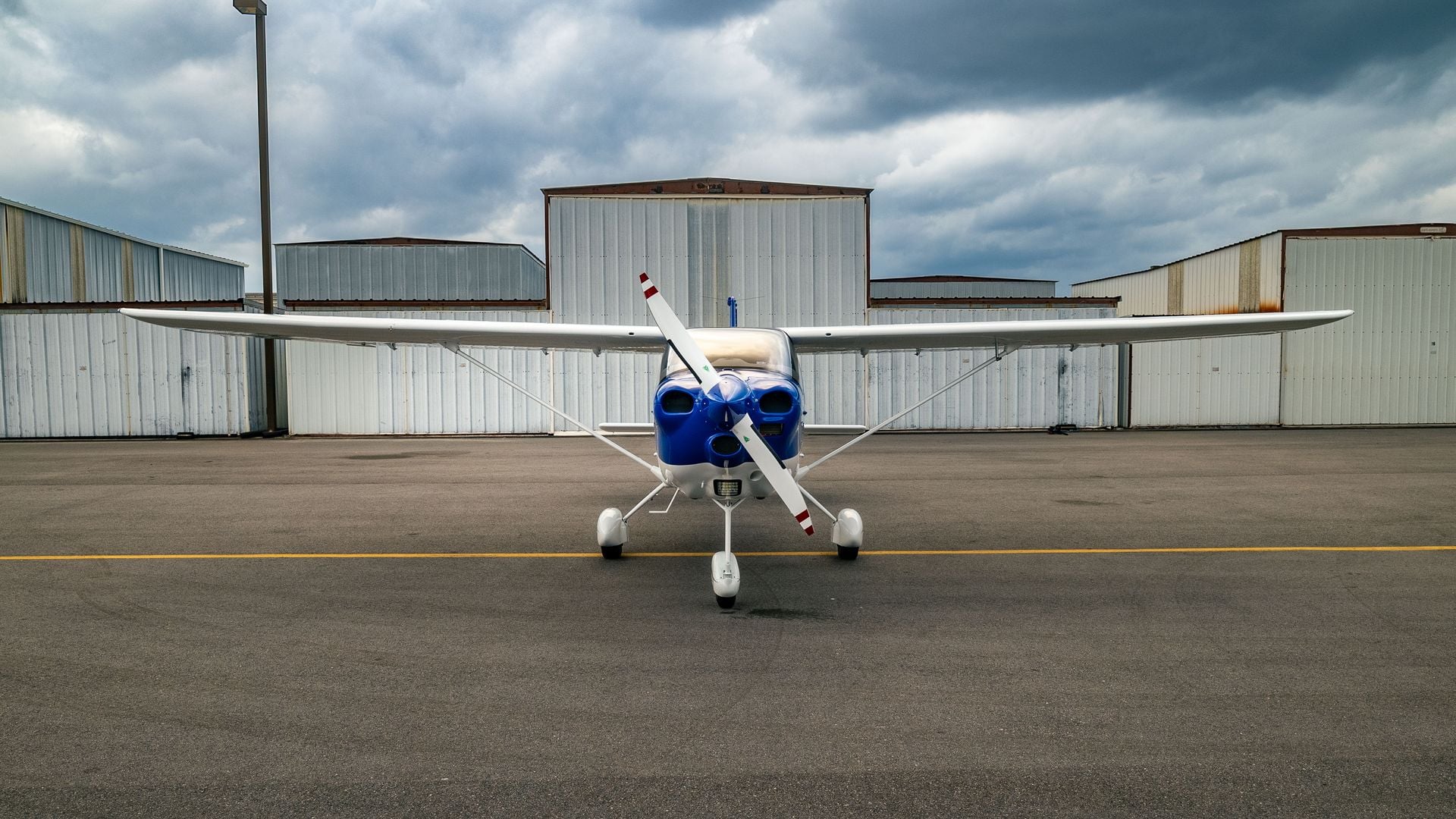
If you haven’t heard of the Tecnam P2010 MkII, you’re not alone.
In the U.S., Tecnam still feels a little under the radar compared to the usual names everyone trained in. But globally, Tecnam is one of the largest piston aircraft manufacturers in the world, supplying airplanes to major flight academies, private owners, and commercial operators across Europe, Asia, and beyond.
And the P2010 is one of those airplanes that makes immediate sense the moment you fly it.
Not because it’s trying to be flashy.
Because it’s trying to be good at the stuff pilots actually care about.
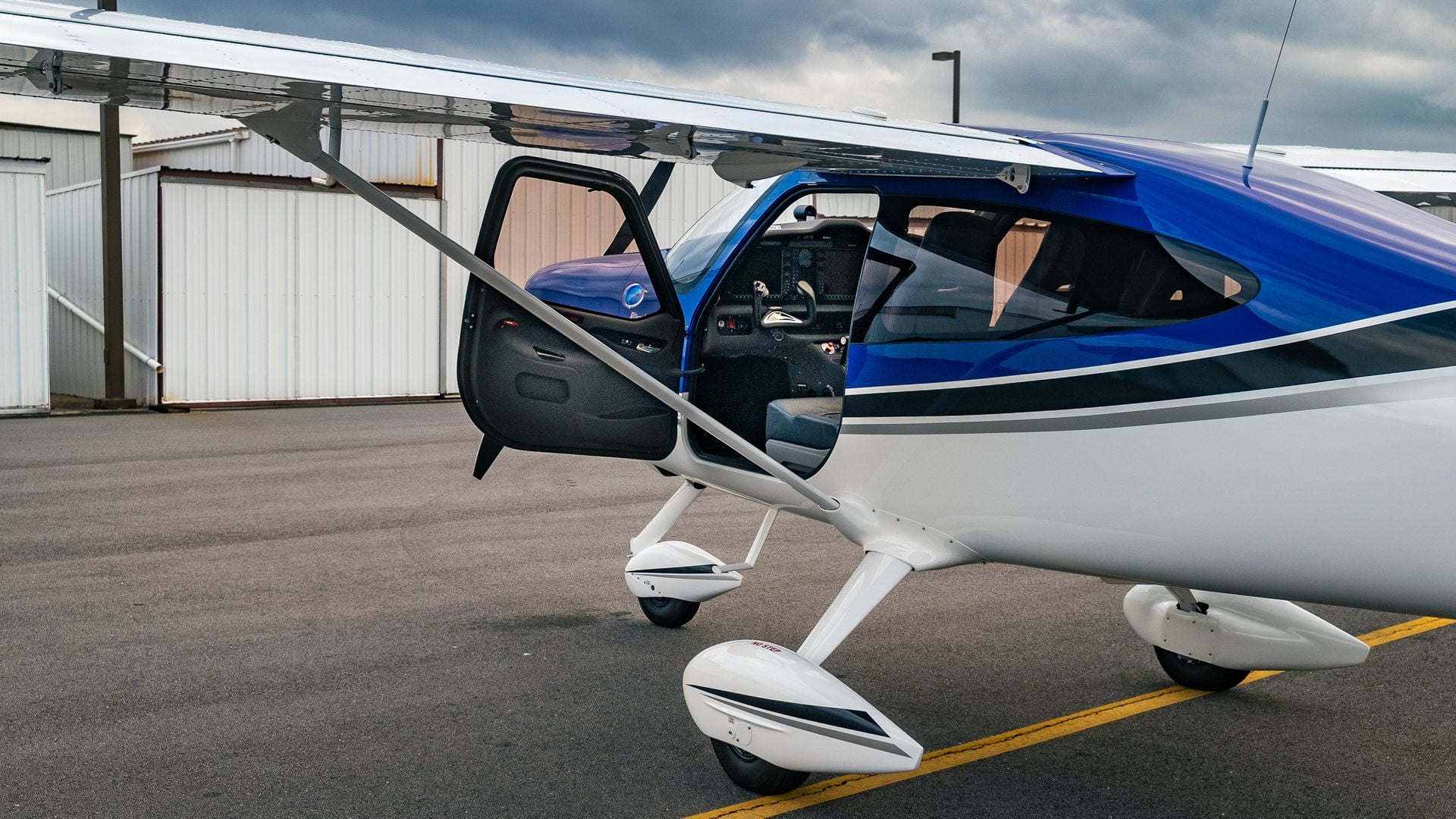
What pilots actually care about (and why the P2010 hits the right
notes)
Pilots don’t buy airplanes based on adjectives. They buy airplanes based on mission capability, useful load, avionics integration, dispatch reliability, maintenance predictability, and how the airplane behaves in real-world flying.
They care about:
Whether the airplane can actually carry four adults and fuel
Whether the avionics reduce workload or increase it
Whether the engine is supportable anywhere
Whether the airplane is easy to live with long-term
Whether the platform will still make sense ten years from now
The P2010 was designed around those realities—not marketing language.
“Modern 172” is the fastest way to understand it… but it doesn’t tell the whole story
You’ll hear pilots call the P2010 the “modern 172.”
That comparison exists for a reason.
It fills the same fundamental role:
fixed gear
four seats
high wing visibility
stable flight characteristics
ideal for training and personal transportation
But the important difference is this: the P2010 was designed in the glass cockpit era, not adapted into it.
Everything from the cockpit layout to avionics integration to structural design reflects modern expectations—not legacy compromises.
It feels familiar—but noticeably more refined.
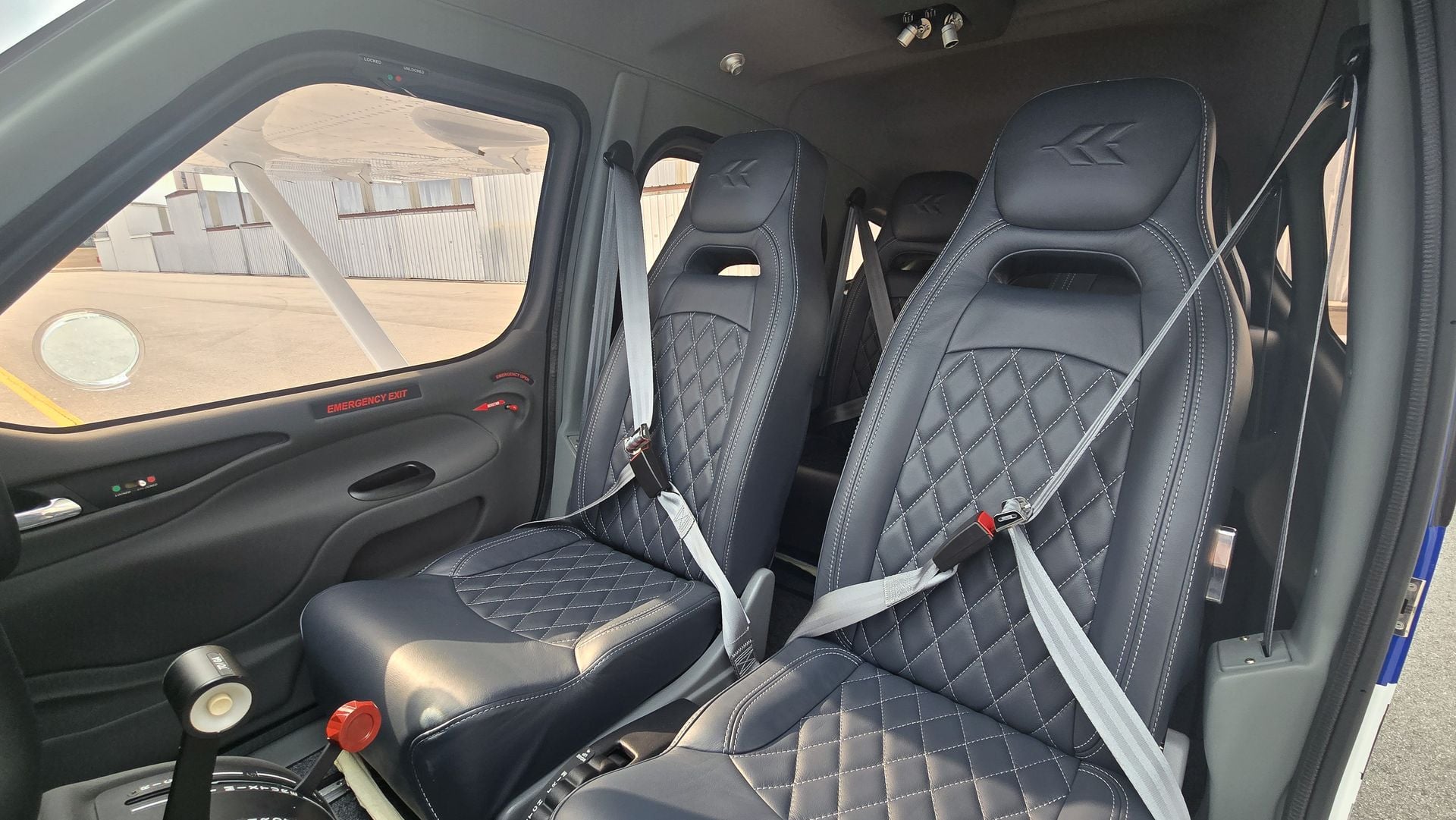
880 lb useful load: this is a real four-person traveling airplane
This is one of the first numbers pilots should care about.
The P2010 MkII’s useful load, around 880 pounds, changes what’s actually possible with the airplane.
That means you can realistically carry:
four adults
meaningful fuel
baggage
without constantly negotiating tradeoffs.
A lot of airplanes technically have four seats. Fewer can use them comfortably without sacrificing range or flexibility.
The P2010 can.
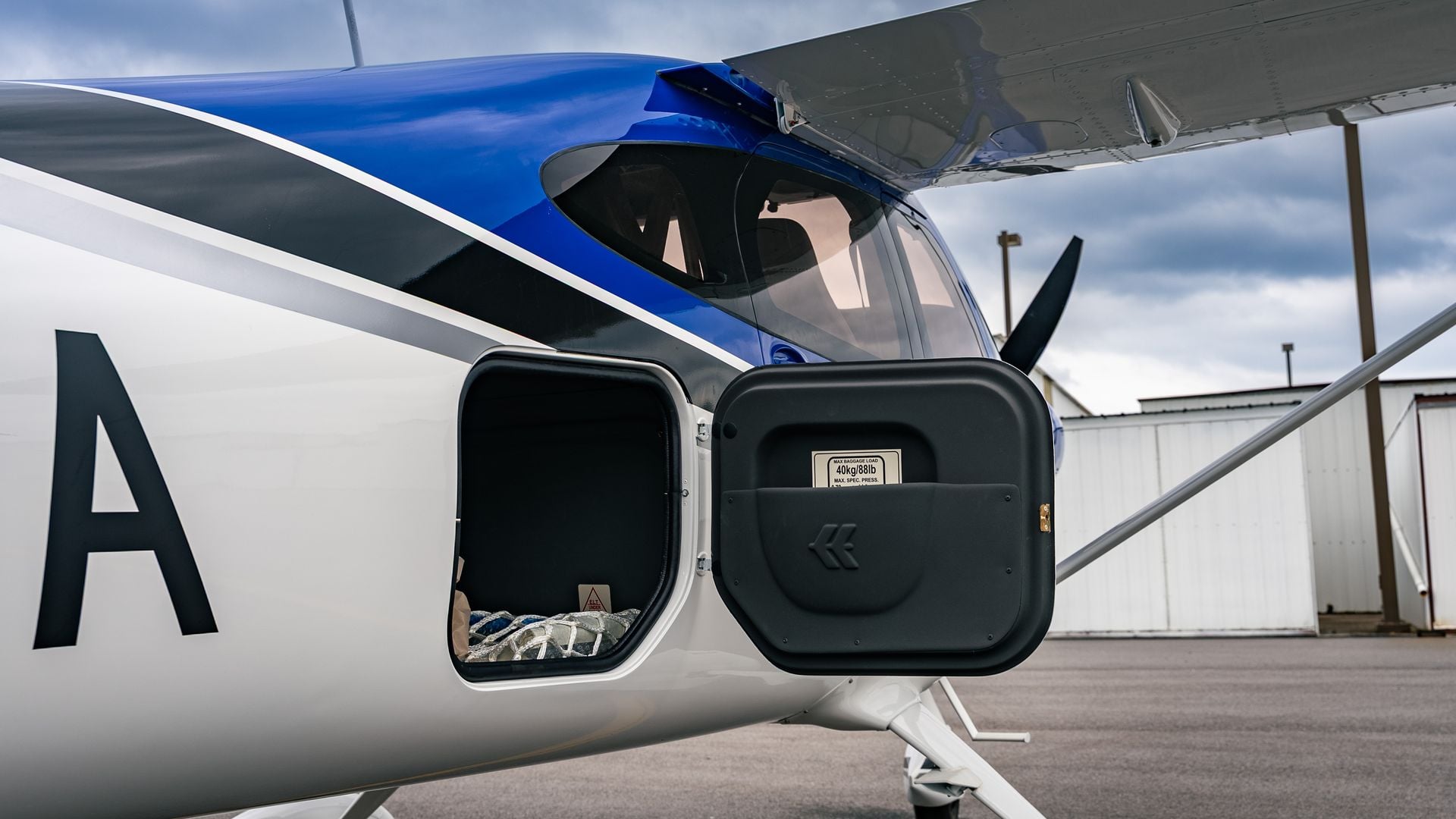
Three doors (plus baggage door): one of the most practical design decisions in the category
This is one of the features pilots and owners appreciate more over time.
The P2010 has:
pilot door
front passenger door
dedicated rear passenger door
separate baggage access
Rear passengers can enter directly without climbing over seats. That makes a difference every single flight.
For private owners, it makes the airplane easier to live with.
For flight schools, it dramatically improves operational efficiency—student swaps, passenger transitions, and ramp workflow all become smoother.
It’s a simple decision that improves the airplane in daily use.
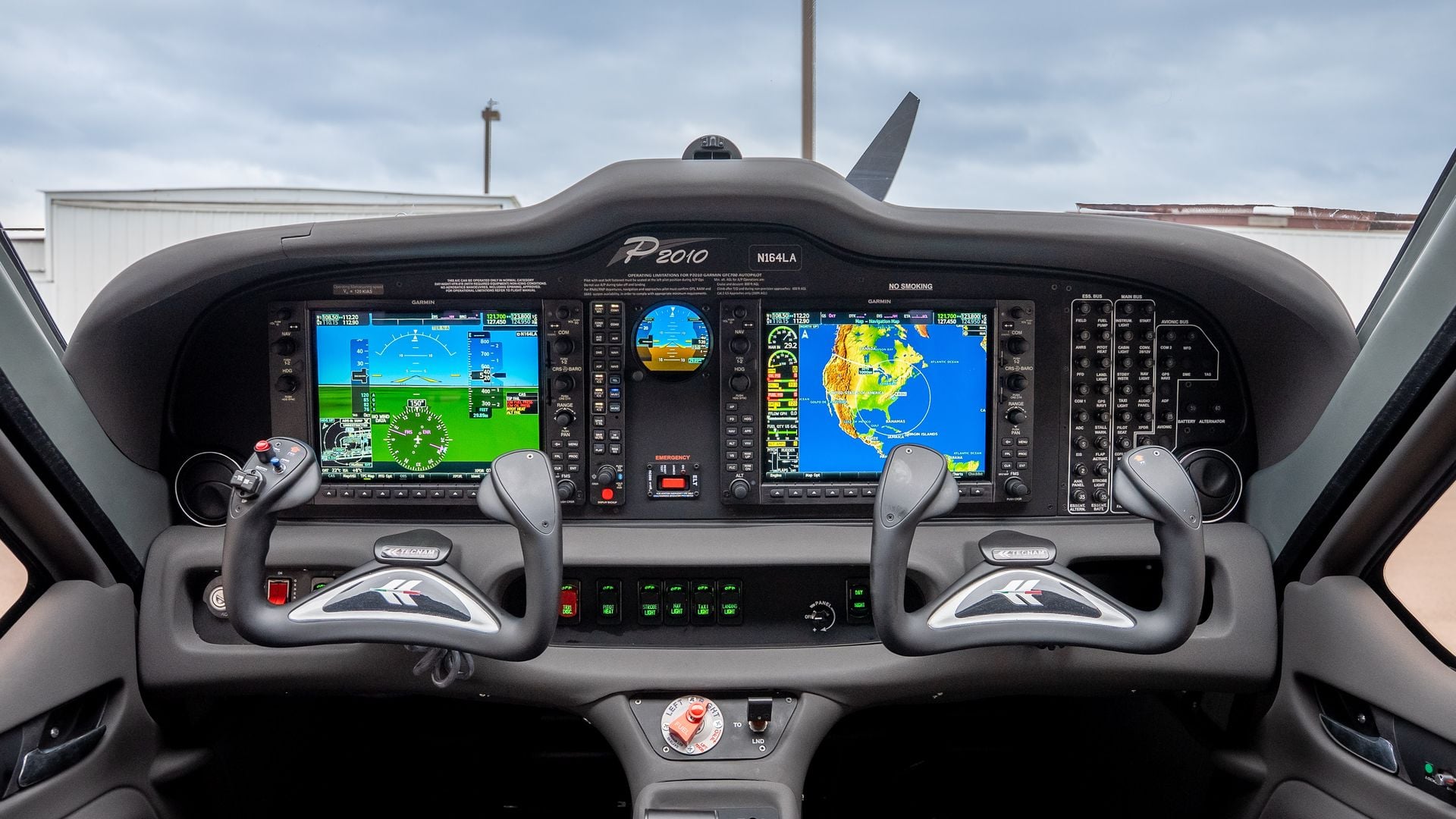
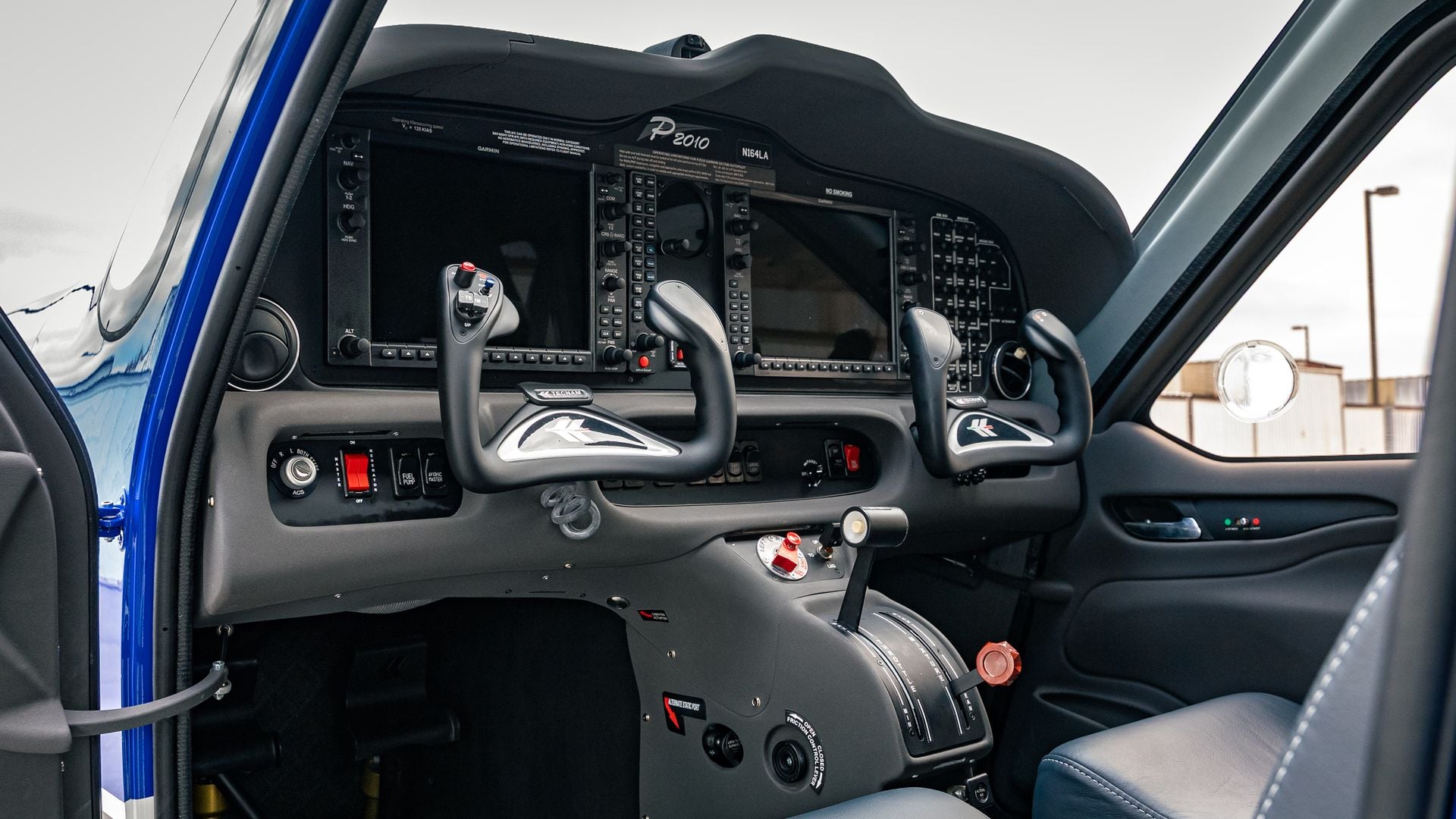
Garmin G1000 NXi + GFC 700 autopilot: the avionics ecosystem pilots want
The P2010 MkII comes equipped with the Garmin G1000 NXi, paired with the GFC 700 autopilot and Electronic Stability Protection.
This matters for several reasons:
Fully capable IFR platform
Integrated autopilot and envelope protection
Modern interface most pilots already understand
Easier transition to higher-performance aircraft later
From a pilot workload standpoint, the system reduces friction—not increases it.
Students benefit. Owners benefit. Instructors benefit.
It’s the avionics environment modern GA has standardized around.
One of the only certified aircraft platforms with true engine flexibility
This is where the P2010 becomes uniquely interesting.
Tecnam built the P2010 as a modular platform capable of supporting multiple certified engine configurations—not just one.
The aircraft is certified with three distinct engine options:
1. Lycoming IO-360-M1A (180 hp) — Avgas
This is the most common and widely understood configuration.
Why pilots like it:
Proven engine with massive global support network
Straightforward maintenance
Familiar operating characteristics
Lower acquisition cost
Ideal for flight schools and private owners
This is the version many pilots will gravitate toward first—and for good reason.
2. Lycoming IO-390 (215 hp) — Avgas
This is the higher-performance avgas option.
Benefits include:
Improved climb performance
Higher cruise speeds
Better hot-and-high capability
Increased mission flexibility
This version is particularly attractive to private owners who prioritize cross-country performance.
It essentially turns the P2010 into a more capable personal transportation aircraft while maintaining the same modern platform advantages.
3. Continental CD-170 (170 hp) — JET-A diesel
This is the version that changes the global operating equation.
The Continental CD-170 is a FADEC-controlled diesel engine that runs on JET-A.
Why this matters:
JET-A is globally more available than avgas
Lower fuel burn in many operating profiles
Simplified engine management with FADEC
Strong appeal to flight schools and international operators
This configuration makes the P2010 especially attractive in regions where avgas availability is limited or expensive.
Why this engine flexibility is rare in certified aircraft
Most certified aircraft platforms are effectively locked into one engine ecosystem.
Changing engines usually means changing aircraft models entirely.
The P2010 is different.
Tecnam engineered the aircraft platform itself to support multiple certified powerplants within the same airframe design. That gives operators flexibility based on mission, operating environment, fuel availability, and ownership priorities.
Flight schools can choose diesel for global fuel availability.
Private owners can choose avgas for simplicity and acquisition cost.
Higher-performance owners can choose the 215 hp configuration for added capability.
Very few certified aircraft platforms offer this level of flexibility.
Flight characteristics: stable, predictable, and confidence-inspiring
Pilots who fly the P2010 consistently describe similar impressions:
stable platform
excellent visibility
predictable handling
forgiving flight characteristics
It’s an airplane that behaves the way pilots want an airplane to behave.
Not overly sensitive. Not overly heavy.
Just honest.
Which is exactly what makes it effective as both a training aircraft and a personal aircraft.
Why it’s still under the radar—and why that matters
Tecnam isn’t new. But the P2010’s presence in the U.S. is still growing.
That creates a rare window.
Right now, pilots can get into a truly modern aircraft platform before it becomes the obvious, default choice everyone recommends.
And that’s exactly how these shifts happen in aviation.
Quietly at first.
Then suddenly everyone knows.
The takeaway
If you’re a pilot looking for:
a true four-seat useful load
modern avionics ecosystem
excellent visibility and ergonomics
flexible engine platform options (180 hp, 215 hp, or JET-A diesel)
practical daily usability
factory-new reliability
…the Tecnam P2010 MkII deserves serious attention.
Not because it’s different for the sake of being different.
Because it’s built around what pilots actually care about.
And once pilots fly it, they tend to understand why.