
Tecnam has introduced the P2006T NG, a next generation evolution of its proven light twin aircraft. While the original P2006T built a strong reputation for efficiency and simplicity, the NG represents a substantial redesign focused on operating costs, modern avionics, cabin usability, and expanded mission capability.
For pilots, flight schools, and private owners researching the difference between the P2006T and the new P2006T NG, this article outlines exactly what has changed and why the update matters in real world operations.
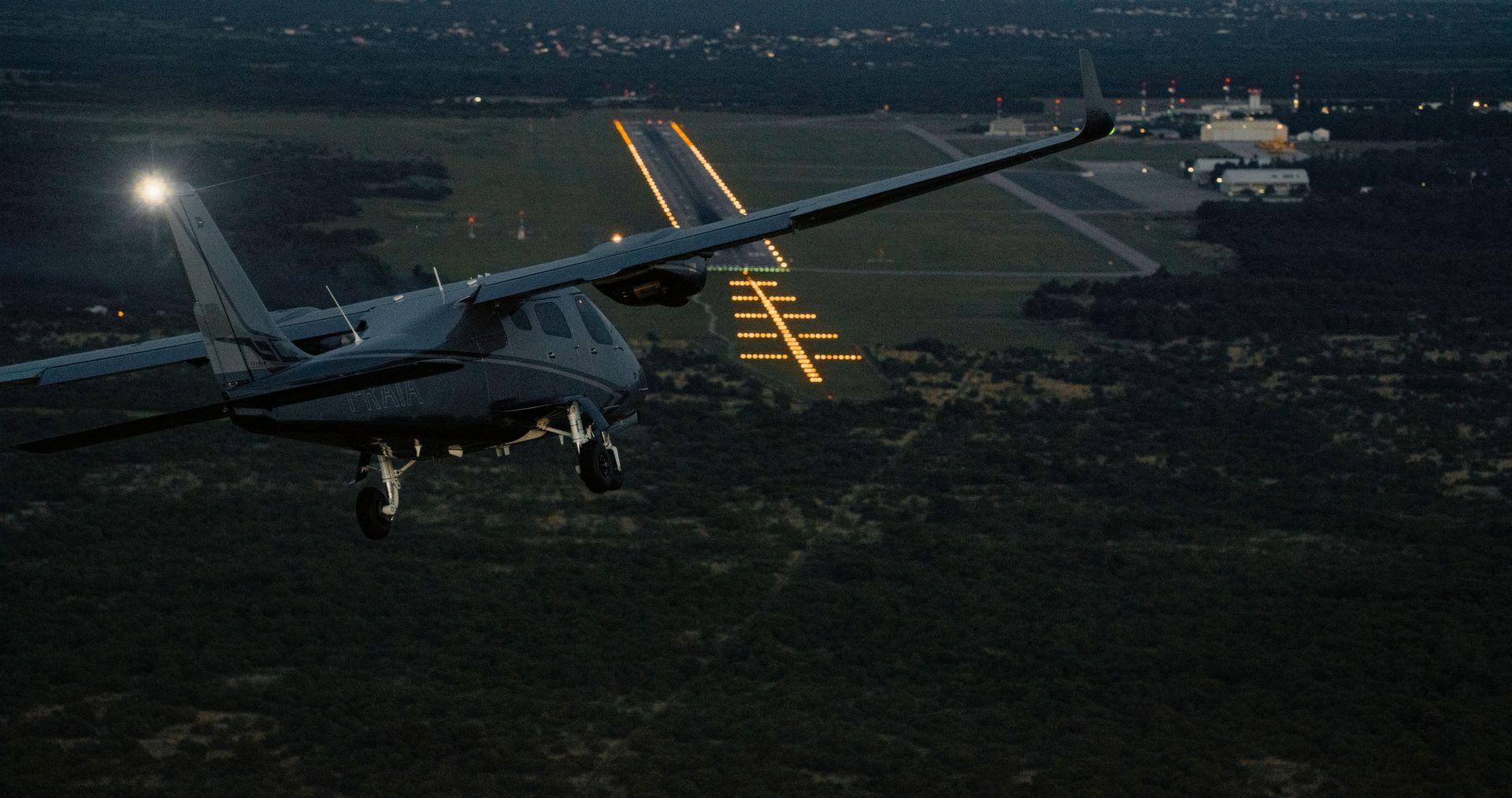
From the P2006T to the P2006T NG
The P2006T NG is not a minor update. Tecnam approached the NG as a meaningful advancement across performance, efficiency, and usability while maintaining the strengths that made the original aircraft successful.
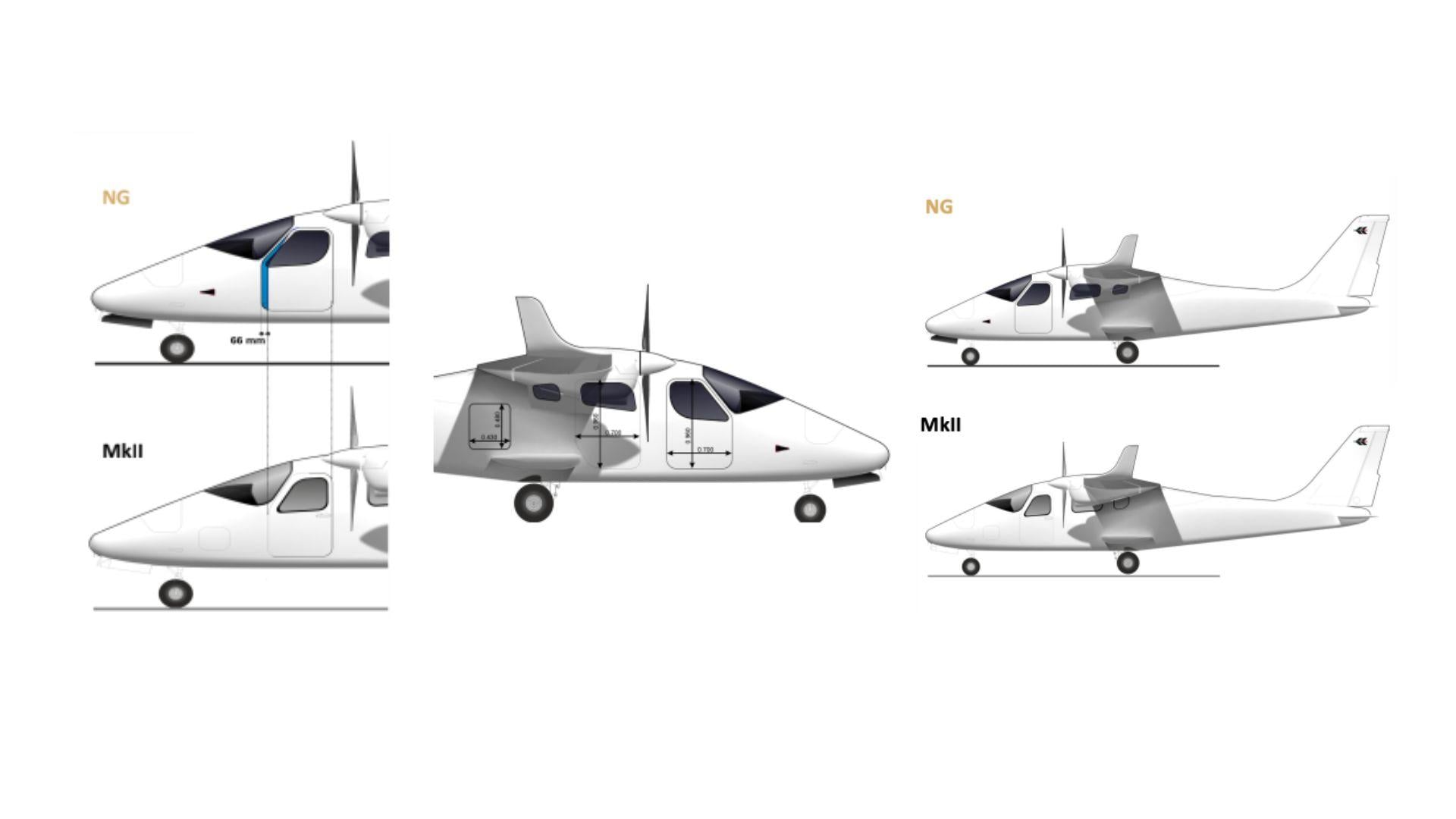
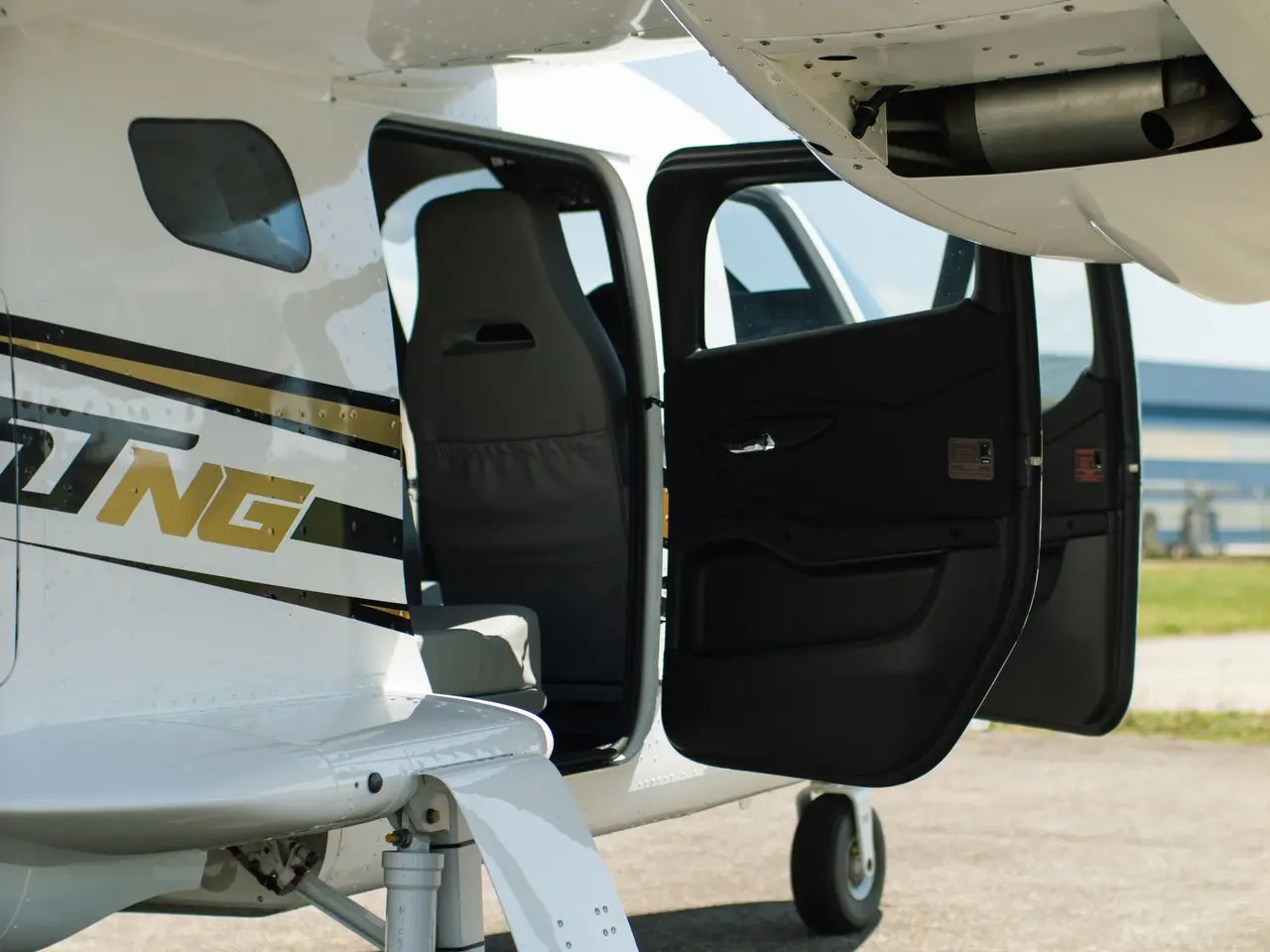
- Redesigned copilot door and luggage compartment door for easier access
- Increased maximum takeoff weight by 130 lb for greater flexibility
- New powerplant system for improved efficiency and reliability
- Updated window geometry and widened cabin opening for better visibility and comfort
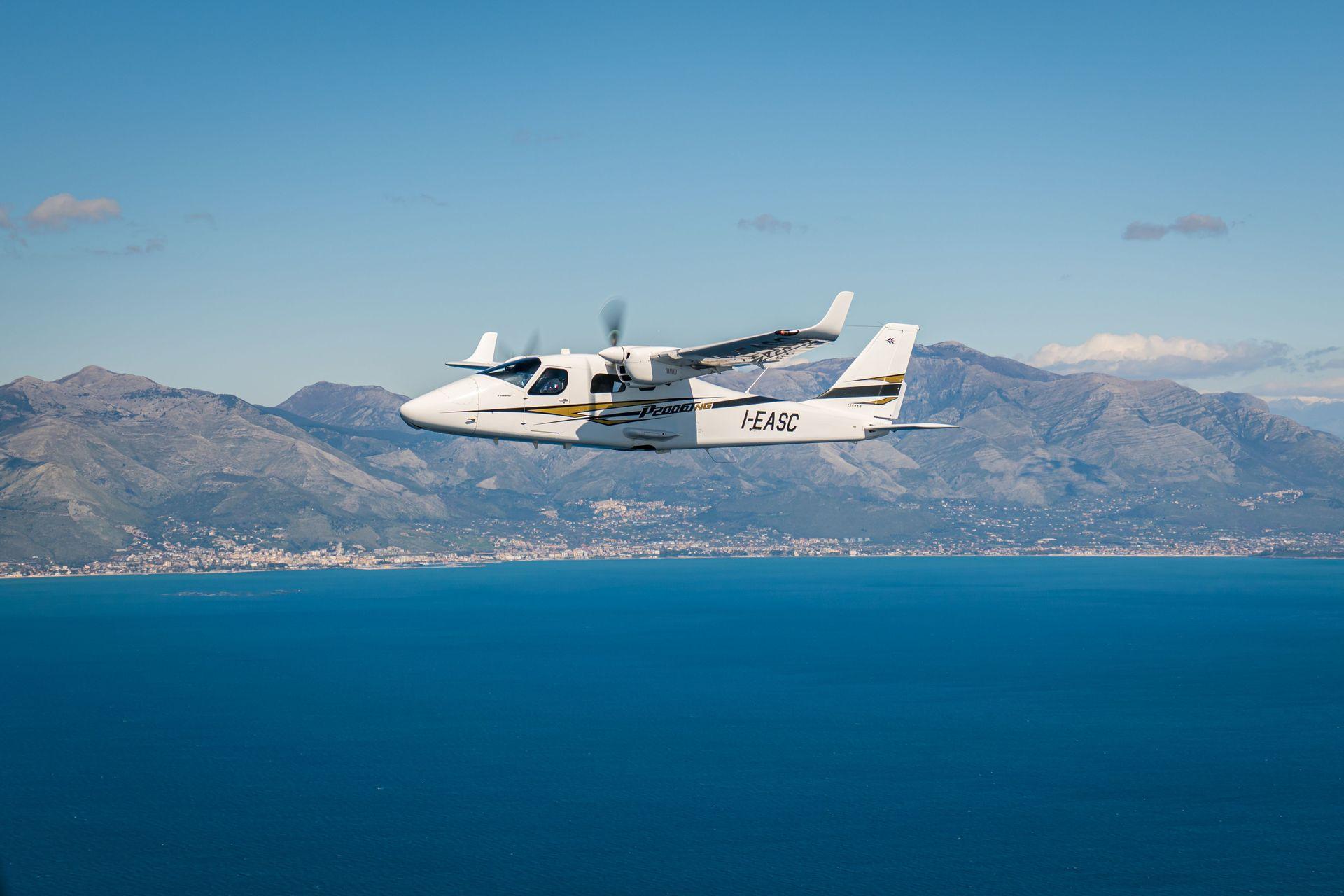
- Aerodynamic improvements enhancing performance and fuel efficiency
- Integrated position and anti-collision lights for enhanced safety
- Redesigned central console with improved ergonomics, pitch trim control wheel, integrated parking brake, and shared armrest
- Enhanced cabin comfort and operational features, including alternate air system and LEMO jack
- Garmin GFC700 autopilot for advanced flight control
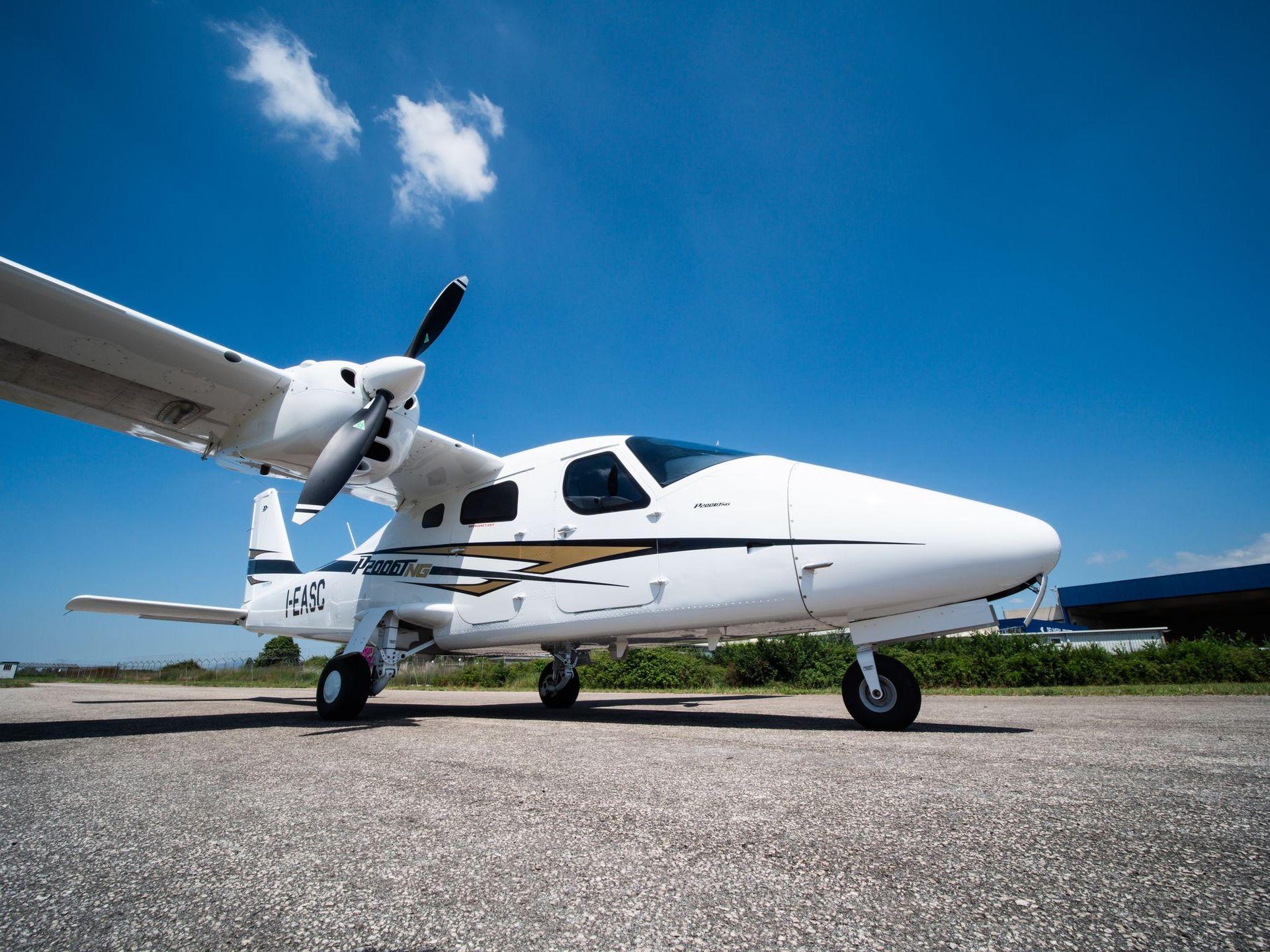
Powerplant and Operating Costs
One of the most important differences between the P2006T and the P2006T NG is the new powerplant system.
The NG is powered by twin Rotax 912 iSc3 engines featuring electronic fuel injection and advanced engine management. Average fuel consumption is approximately 3.7 gallons per hour per engine, resulting in operating costs lower than any other certified piston twin currently available.
This improvement directly impacts training economics and ownership costs. Flight schools benefit from significantly reduced hourly expenses, while private owners gain access to true twin engine capability without the traditional cost penalties.
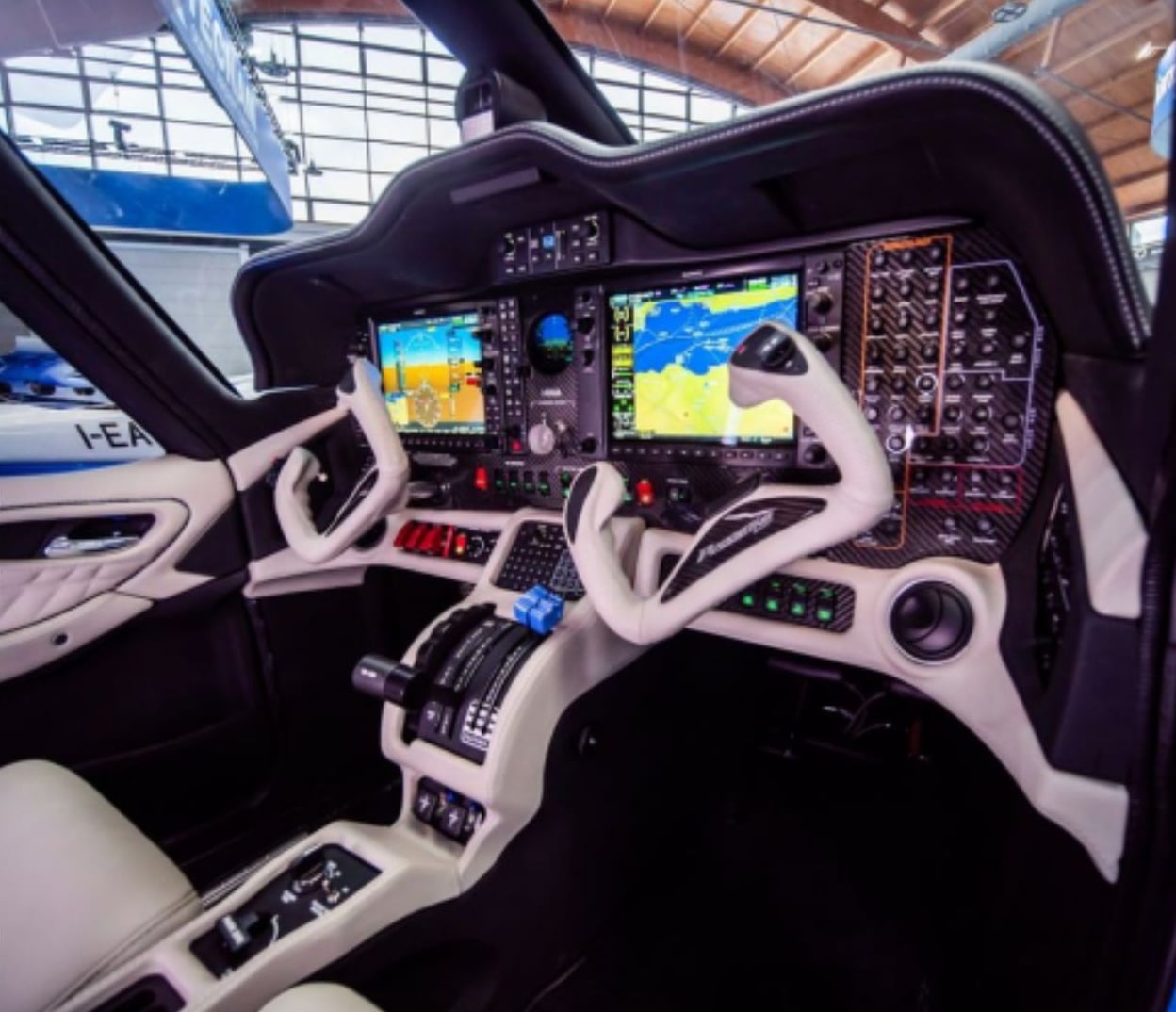
Avionics and Automation
The cockpit has been fully modernized in the P2006T NG.
The aircraft features the Garmin G1000 NXi flight deck paired with the Garmin GFC 700 digital autopilot. This avionics upgrade brings improved situational awareness, advanced flight automation, and modern connectivity that aligns with today’s professional training environments and personal aircraft expectations.
Compared to the original P2006T, the NG delivers a more intuitive and capable flight deck designed for both instructional use and long range personal flying.
Cabin Access, Ergonomics, and Visibility
Tecnam made several practical changes that improve daily operation.
The P2006T NG introduces a new right side copilot door, redesigned baggage compartment access, a wider cabin opening, and updated window geometry. These changes improve boarding efficiency, visibility during all phases of flight, and overall cabin comfort.
Inside the cockpit, the redesigned central console integrates improved ergonomics, a pitch trim control wheel, an integrated parking brake, and a shared armrest. These updates simplify operation while reducing workload for both pilots.
Aerodynamics and Exterior Systems
The NG incorporates aerodynamic refinements that improve efficiency and performance without increasing complexity.
Integrated LED position and anti collision lighting replaces older systems, improving visibility and reliability while reducing maintenance requirements. Subtle aerodynamic improvements contribute to better fuel economy and overall performance.
Payload and Performance Improvements
Another key difference between the P2006T and the P2006T NG is increased capability.
The maximum takeoff weight has been increased by 60 kilograms, allowing for greater payload flexibility and more usable load across a wider range of missions. This enhancement benefits both high utilization training fleets and private owners flying longer cross country missions.
The P2006T NG Sport for Private Owners
Tecnam also introduced the P2006T NG Sport, designed specifically with personal ownership in mind.
The Sport version builds on the standard NG platform with upgraded interior materials, carbon inspired accents, distinctive exterior styling, and enhanced cockpit connectivity options. It positions the P2006T NG as a compelling alternative to high performance single engine aircraft by offering twin engine redundancy with remarkably low operating costs.
Training and Real World Use
The original P2006T became a popular aircraft for multi engine and instrument training. The NG expands that role significantly.
Flight schools benefit from lower fuel burn, modern avionics, improved accessibility, and reduced operating costs. Private owners gain a capable, efficient twin suited for personal travel, advanced training, and cross country flying.
The result is a versatile aircraft that adapts easily to multiple missions without compromise.
Certification and Availability
FAA type certification for the P2006T NG is expected in Q4 2026, with initial deliveries anticipated to begin in Q1 2027.
Final Thoughts on the P2006T vs P2006T NG
The original P2006T established Tecnam as a leader in efficient twin engine design. The P2006T NG builds on that foundation and moves the category forward through lower operating costs, modern avionics, improved ergonomics, and increased capability.
For anyone researching the differences between the P2006T and the new P2006T NG, the conclusion is clear. The NG is a meaningful advancement that redefines what a modern piston twin can deliver.