
For decades, flight training has relied on the same basic approach: legacy airframes, legacy engines, and legacy fuel. Aircraft like the Cessna 172 and Piper Archer became the standard not because they were the most efficient solution, but because they were the only viable one.
That model is now under real pressure.
Flight schools today are facing a set of problems that raising hourly rates alone can’t fix.
The Ultimate Problem With Traditional Trainers
1. Overhaul and maintenance costs have doubled
Engine overhauls, parts availability, labor rates, and downtime have all increased dramatically. Legacy piston engines bring higher reserve requirements and more unpredictable maintenance events, making long-term cost planning harder than ever.
2. Avgas is still expensive, and there’s no clear solution
Avgas remains costly, increasingly regulated, and geographically inconsistent. While alternatives are discussed, there is still no scalable, near-term fix for flight schools operating large avgas-dependent fleets.
3. Profit margins are being squeezed
Even with higher hourly rates, margins are thinner. Insurance, fuel, labor, and maintenance costs have risen faster than training prices, leaving operators doing more work for less upside.
4. Flight schools need a different approach, not a price increase
The traditional training aircraft model was never designed for today’s cost structure. Solving these problems requires a platform that addresses fuel, maintenance, utilization, and safety at the design level.
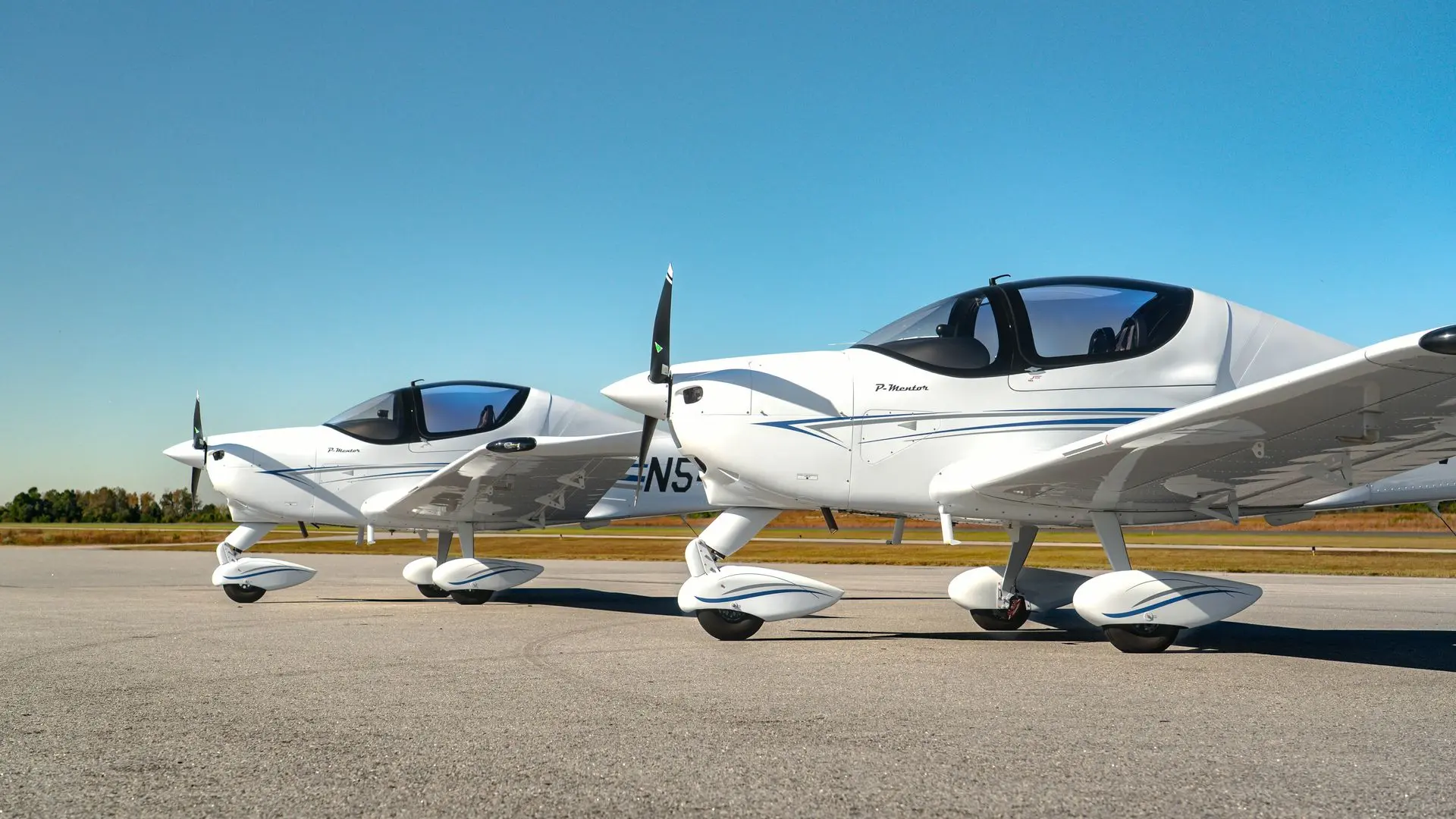
This is where modern training aircraft enter the conversation, and why airplanes like the Tecnam P-Mentor are getting serious attention.
Watch the full video breakdown below, where we examine why the P-Mentor exists and what problem it’s actually designed to solve.
The Cessna 172: Proven, Familiar, and Built for a Different Era
The Cessna 172 is the most produced aircraft in history and has trained more pilots than any airplane ever built. Its reputation is earned.
But most 172s flying today are based on an airframe philosophy from the 1950s, even when equipped with modern glass avionics. New displays don’t change:
- Fuel burn economics
- Avgas dependency
- Engine overhaul exposure
- Airframe weight and efficiency
For years, this was acceptable because there were no true alternatives. That’s no longer the case.
A New Category: Aircraft Designed for Modern Flight Training
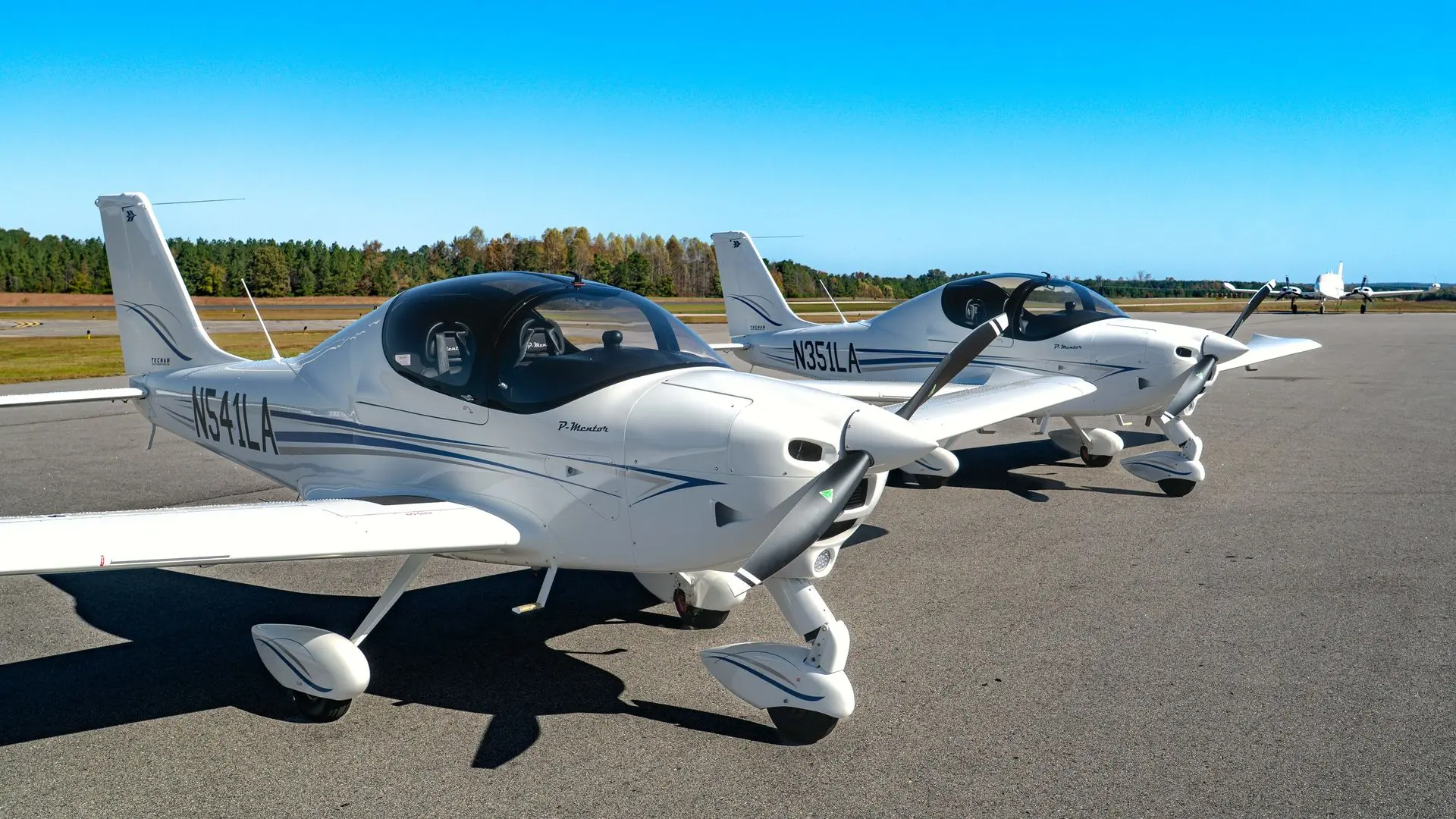
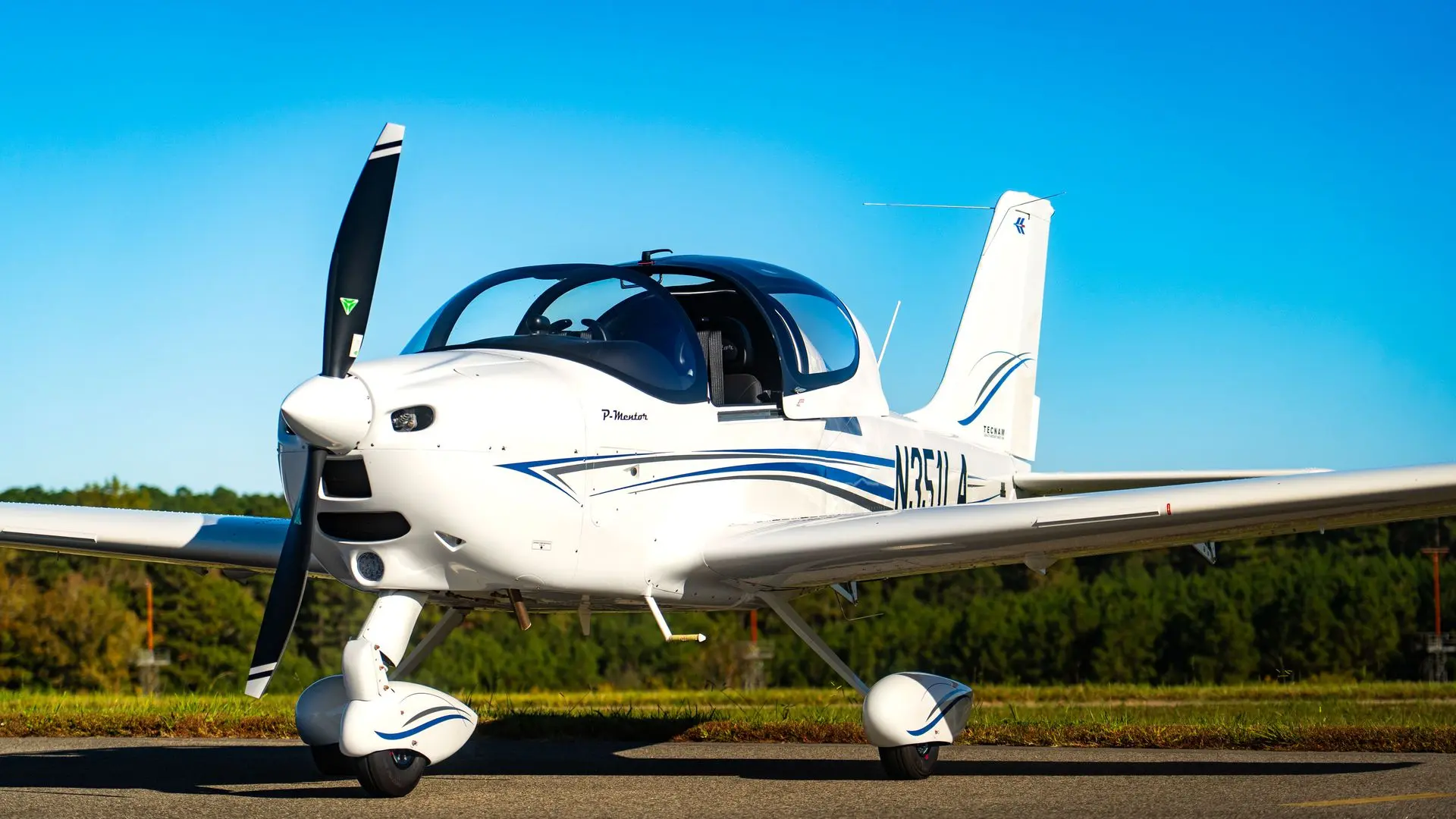
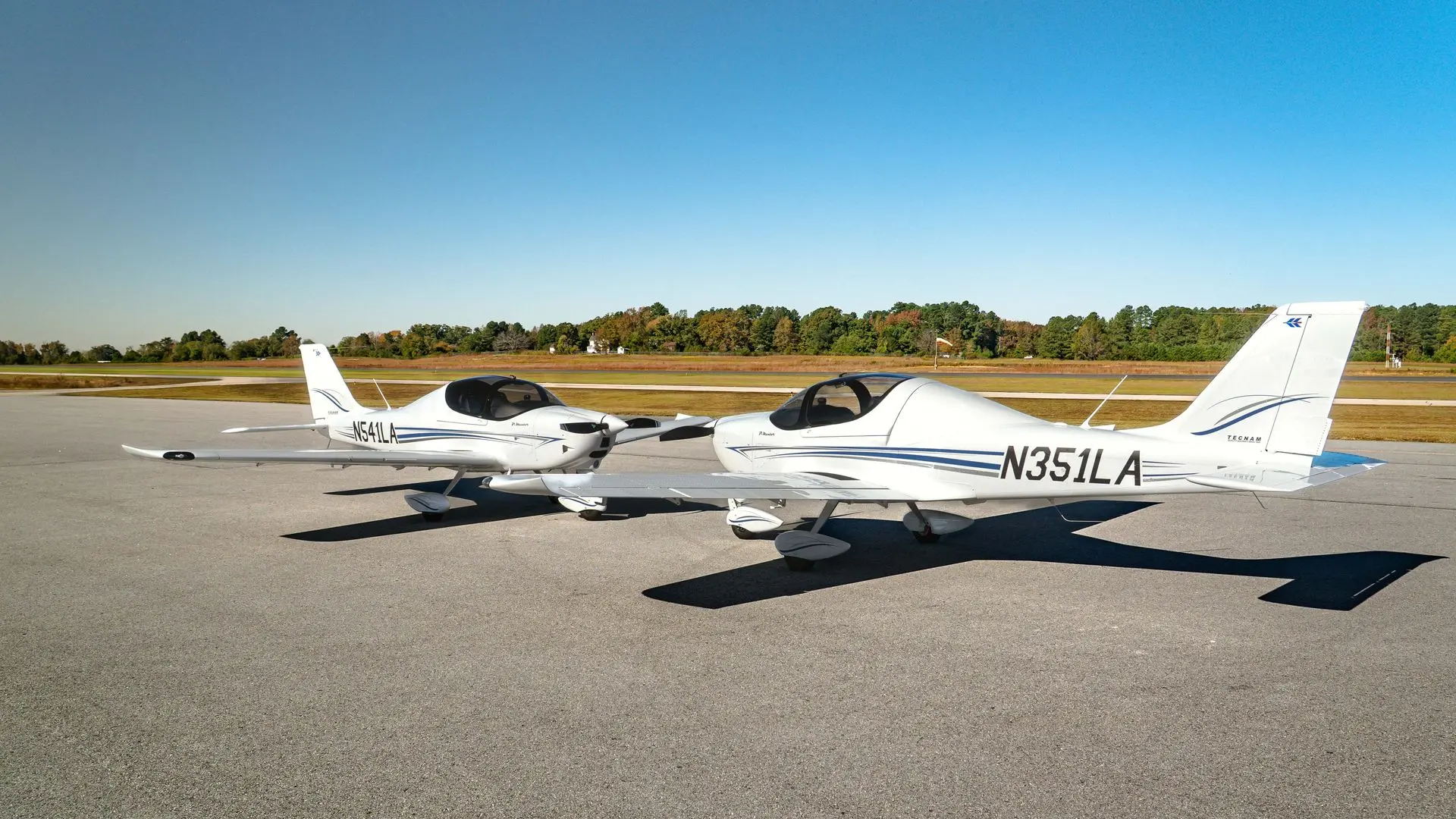
The Tecnam P-Mentor represents a different design philosophy.
Instead of adapting an old platform, Tecnam built the P-Mentor as a clean-sheet training aircraft intended to support:
- High utilization environments
- Predictable operating costs
- Takes a pilot from student through commercial training
- Modern safety expectations
- Lower fuel and maintenance exposure
This is not a “new avionics package on an old airplane.”
It’s a new approach to the flight school problem.
Solving the Fuel Problem: Efficiency First
One of the most searched questions by flight school owners today is:
“How do we lower cost per flight hour?”
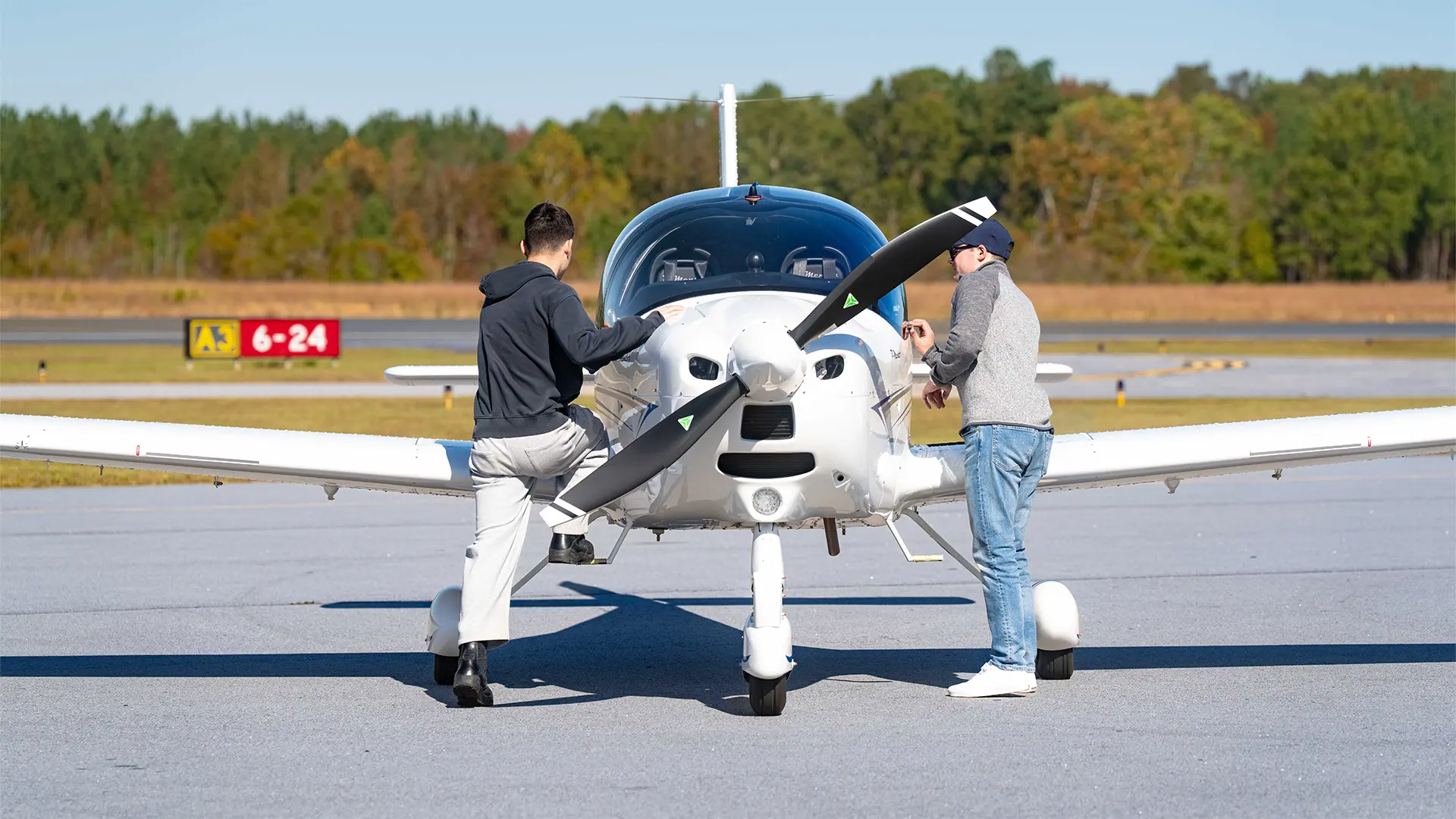
At the core of the P-Mentor is the Rotax 912 iS-C3, a modern, fuel-injected engine that fundamentally changes the economics of training.
Key advantages:
- ~4 gallons per hour fuel burn
- Operates on mogas or avgas
- Lower overhaul and maintenance exposure
- Proven reliability in high-cycle training environments
Compared to traditional avgas-only trainers, this directly addresses the fuel cost problem, without waiting on regulatory or infrastructure changes.
For multi-aircraft operations flying daily, this isn’t a marginal improvement. It’s a structural one.
Maintenance Predictability and Downtime Reduction
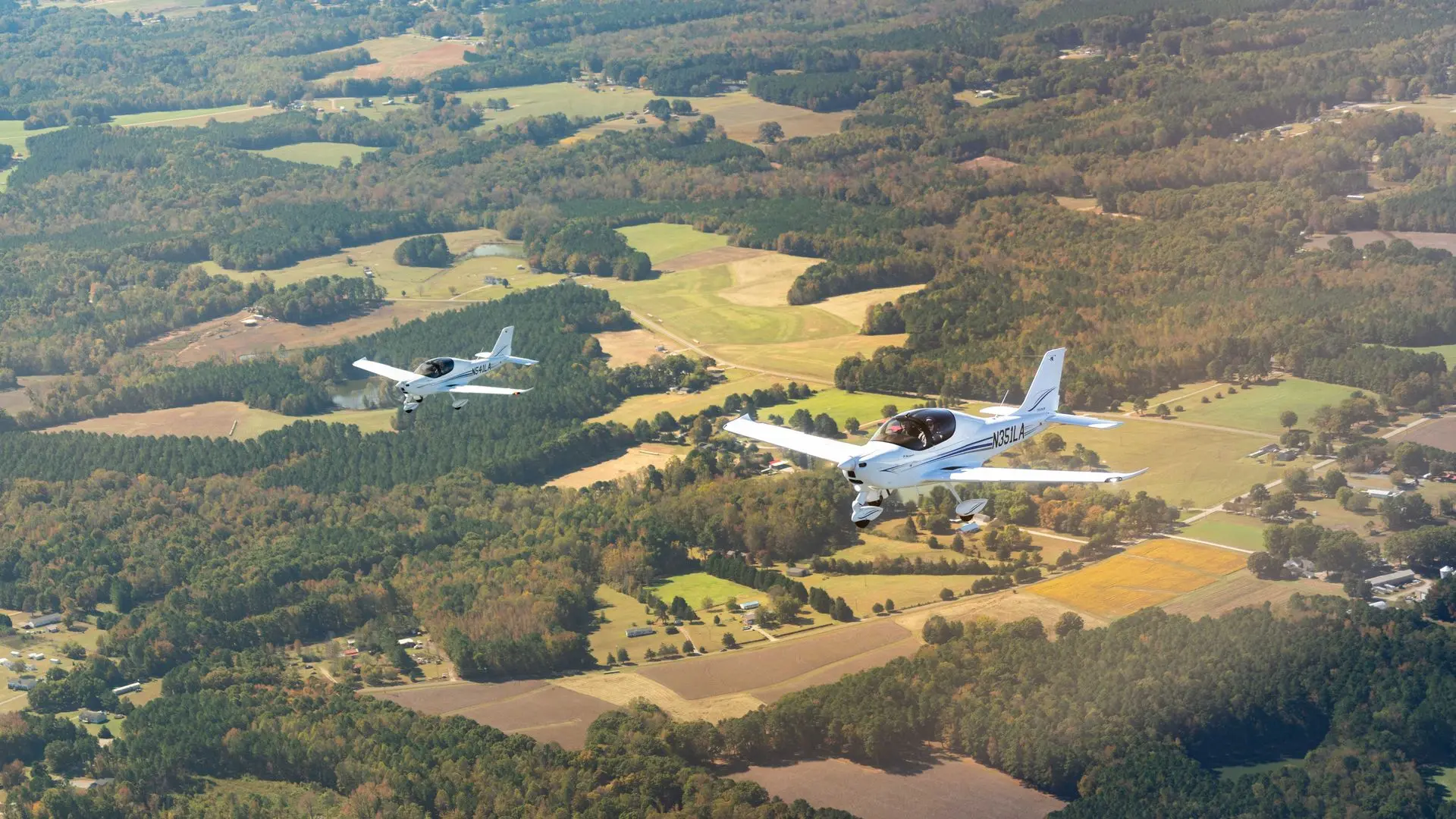
Legacy trainers weren’t designed around modern fleet utilization rates. As a result, downtime has become one of the most expensive hidden costs for flight schools.
The P-Mentor’s design emphasizes:
- Simplified systems
- Modern materials
- Lower engine maintenance burden
- Reduced unscheduled downtime
Fewer surprises in the maintenance log means:
- More dispatch reliability
- Better aircraft utilization
- More predictable revenue
Safety Built Into the Platform
Another major shift in training aircraft design is safety-by-design.
The Tecnam P-Mentor features:
- Steel truss fuselage with reinforced polymer skin
- Lightweight metal wings with carbon-reinforced leading edges
- Energy-absorbing structure designed for crashworthiness
- Optional ballistic recovery parachute (BRS)
These features align with what today’s students, parents, and insurers increasingly expect, and they simply aren’t available on traditional trainers like the Cessna 172.

Training Efficiency and the Student Experience
Inside the cockpit, the P-Mentor reflects how pilots actually train today.
- Garmin G3X Touch avionics
- Synthetic vision, traffic, and weather
- Clean, intuitive panel layout
- Optional simulated gear lever for complex-aircraft preparation
- Excellent visibility and ergonomics
For instructors, this means easier teaching flows.
For students, it means earlier exposure to the avionics and automation they’ll encounter later in their careers.
Is This the End of the Traditional Trainer?
No, and that’s not the point.
The Cessna 172 isn’t disappearing overnight. Fleet inertia, instructor familiarity, and parts availability still matter. But the traditional trainer approach is no longer the only option.
What’s changing is the decision framework.
Flight schools are no longer asking:
“What has always worked?”
They’re asking:
“What actually solves today’s problems?”
The Tecnam P-Mentor exists because the traditional approach no longer does.
Watch the Full Video: Tecnam P-Mentor Explained
For a detailed, visual breakdown of the P-Mentor, including operating economics, cockpit design, safety features, and how it fits into a modern training fleet, watch the full video below:
Want to Learn More?
If you’re evaluating training aircraft options, rethinking fleet economics, or simply want a deeper conversation around what modern trainers can (and can’t) solve, we’re happy to talk.
At LifeStyle Aviation, we work with flight schools and operators across the country to evaluate aircraft platforms, operating costs, and long-term fleet strategy, not just individual airplanes.
Whether you’re early in the research phase or actively comparing options, reach out and let’s have a practical conversation.